Choosing the right flat bar for structural projects is one of the most important decisions engineers, contractors, and fabricators make during the planning phase. Flat bars may look like simple metal strips, but they play a critical role in load-bearing performance, safety, stability, and long-term durability of structures. Whether you’re working in construction, heavy machinery, fabrication, or industrial manufacturing, selecting the wrong flat bar can lead to premature failure, budget loss, and safety risks.
This guide breaks down everything you need to consider before choosing a flat bar—material, size, environment, load capacity, finish, and sourcing—so you can make a confident decision for any structural application.
What Makes Flat Bars Important in Structural Projects?
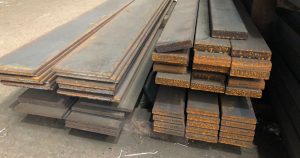
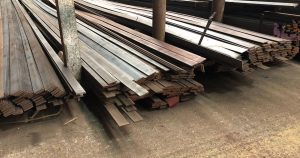
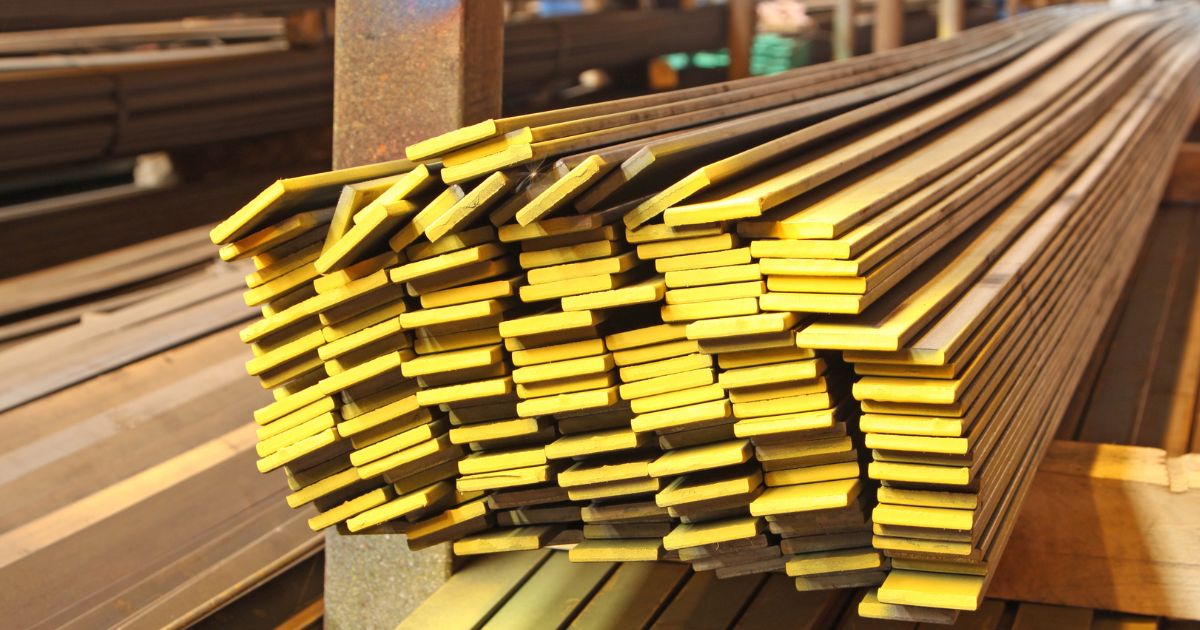
Flat bars are elongated metal strips with a rectangular cross-section. They are easy to fabricate, weld, cut, drill, and bend—making them one of the most dependable structural steel components. Their uniform shape ensures predictable performance, especially when used for:
- Frames and supports
- Reinforcement plates
- Brackets and base plates
- Gratings, platforms & walkways
- Industrial machinery components
- Structural stiffeners
In structural projects, the correct flat bar ensures load-bearing stability, vibration resistance, and long-term strength.
1. Choose the Right Material: The Most Critical Decision
Flat bars are available in several materials, and each has unique properties affecting performance.
a) Mild Steel (MS) Flat Bars
The most common material for construction and fabrication.
Advantages
- High strength for structural load
- Excellent weldability
- Cost-effective
- Easy to cut, bend, and drill
Where MS Flat Bars Are Used
- Building frames
- Industrial fabrications
- Machinery manufacturing
- Railway components
- Agricultural equipment
MS flat bars also follow industry standards like IS 2062, ensuring uniform quality.
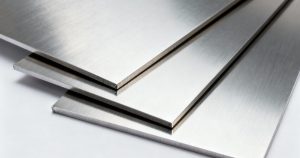
b) Stainless Steel Flat Bars
A premium choice for environments where durability and corrosion resistance are essential.
Advantages
- Rust-proof, even in long-term exposure
- High temperature resistance
- Low maintenance
- Long operational life
Applications
- Marine structures
- Chemical plants
- Water treatment facilities
- Food & pharma manufacturing setups
c) Aluminum Flat Bars
Lightweight and corrosion resistant, best for non-heavy structural applications.
Advantages
- Extremely lightweight
- Good corrosion resistance
- Easy to fabricate
Applications
- Decorative architecture
- Low-load fabrications
- Automobiles
- Electrical applications
2. Consider the Load-Bearing Requirement
Every structural project is designed with a specific load expectation. Failure to match the flat bar’s strength with the load requirement can lead to:
- Bending or deformation
- Cracks near welded joints
- Fatigue failure
- Safety hazards
How to Choose Based on Load
- Heavy load → Choose MS or stainless steel with higher thickness
- Medium load → MS flat bars 6–10 mm thick
- Light load → Aluminum or thinner MS flat bars
Always consult structural load charts or discuss with your supplier to ensure accuracy.
3. Understand the Environmental Conditions
The project environment determines the material lifespan and maintenance requirements.
Corrosive or Moisture-Rich Areas
Choose stainless steel or galvanized MS flat bars in:
- Coastal regions
- Wastewater plants
- Marine docks
- Chemical exposure zones
High Temperature Environments
Use stainless steel grades like 304 or 316.
General Indoor/Outdoor Construction
MS flat bars with anti-rust coating work well.
Ignoring environment leads to:
- Early rusting
- Weakening of load-bearing capacity
- Safety issues
- Increased long-term costs
4. Selecting the Right Dimensions
Proper sizing ensures stability during load transfer.
Key Dimensions
- Width: 12mm to 150mm
- Thickness: 3mm to 25mm
- Length: Standard 6 meters (custom available)
How to Choose
- More width = broader structural support
- More thickness = higher load capacity
- Right length = less material wastage
Before purchasing, verify the specification sheet so it aligns perfectly with your structural design.
5. Surface Finish Matters More Than You Think
The finish affects durability, appearance, and resistance to environmental damage.
Common Finishes
- Mill finish → General industrial use
- Brushed finish → Visible architectural projects
- Polished finish → Decorative and high-visibility areas
- Galvanized finish → Outdoor & corrosive environments
Choose the finish strategically based on application and surroundings.
6. Supplier Reliability: A Very Crucial Step
No matter how premium the material is, if the supplier is not reliable, your project may suffer.
How to Choose a Trustworthy Supplier
- Check certifications (IS standards, test reports)
- Verify customer reviews
- Make sure they provide consistent quality
- Ask for samples when possible
- Ensure they supply in bulk and custom sizes if needed
Many project engineers and procurement officers now prefer using platforms like Udhhyog to source flat bars and industrial steel materials because of verified suppliers, competitive pricing, and reliable delivery across India. Such platforms make procurement easier and help avoid low-quality or overpriced materials.
7. Most Common Mistakes to Avoid
- Choosing low-grade steel to cut costs
- Ignoring corrosion risks
- Selecting the wrong thickness
- Not verifying material test certificates
- Buying from unverified or low-experience suppliers
These mistakes can increase project cost, reduce lifespan, and compromise safety.
Conclusion
Choosing the right flat bar for structural projects isn’t just about selecting a piece of metal. It requires thorough understanding of:
- Material type
- Structural load
- Environmental exposure
- Size & finish
- Supplier credibility
A well-chosen flat bar increases structural stability, extends project lifespan, and enhances safety. Whether you’re in construction, fabrication, or machinery manufacturing, investing time in selecting the right flat bar ensures your project performs flawlessly for years.You can also explore our TMT category for more related products.