Steel channels are among the most reliable and versatile structural components used across construction, manufacturing, warehousing, and infrastructure development. Their distinctive “C” or “U” shape, high load-bearing strength, and flexibility make them indispensable in countless industrial applications. Whether you are designing building frameworks, machinery bases, support systems, or storage structures, steel channels offer exceptional performance and long-term durability.
In this comprehensive guide, we will explore the types , their benefits, common applications, and how to choose the right one for your project. You will also find an important note on where to source high-quality steel channels for industrial use, including a reference to Udhhyog, a platform that simplifies steel procurement for businesses.
What Are Steel Channels?
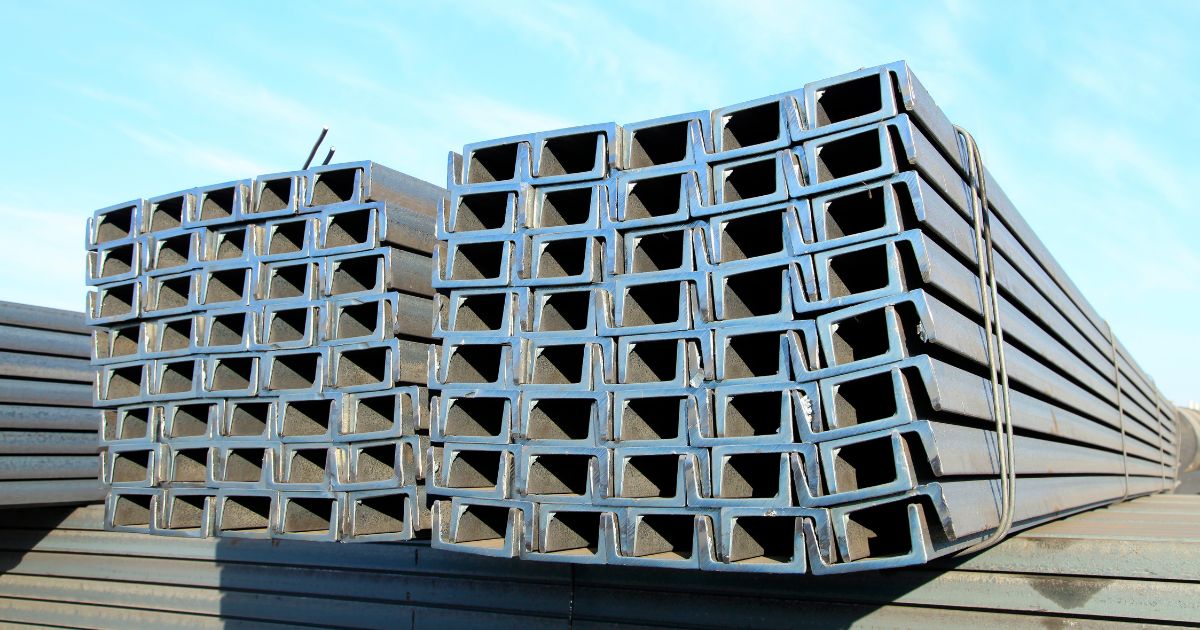
Steel channels—often known as C-channels or U-channels—are long, hot-rolled or cold-formed steel sections shaped like the letter “C” or “U”. They consist of:
- A central vertical web
- Two horizontal flanges
The combination of web and flanges gives steel channels their distinctive strength, stiffness, and ability to support large loads. They are available in multiple grades, sizes, thicknesses, and material compositions like mild steel (MS), stainless steel (SS), and galvanized steel.
Due to their simple yet powerful geometry, steel channels are widely used in building structures, frameworks, equipment, racks, trailers, bridges, and industrial fabrications.
Benefits of Using Steel Channels
Steel channels offer numerous advantages, making them a top choice for architects, engineers, and industrial buyers:
1. High Load-Bearing Strength
It can handle vertical and horizontal loads efficiently, making them ideal for beams, frames, support systems, and reinforcement.
2. Durability and Longevity
It resist deformation, wear, and mechanical stress. Stainless steel channels further offer corrosion and heat resistance.
3. Versatility
They can be used in construction, automotive, warehousing, industrial machinery, shelving, and more.
4. Easy Fabrication
They can be cut, welded, drilled, bent, and machined into custom shapes for specific applications.
5. Cost-Effective
Especially MS channels provide high structural performance at an economical cost.
6. Suitable for Harsh Environments
Stainless steel and galvanized channels perform exceptionally well in moisture-, chemical-, or temperature-intensive environments.
Types of Steel Channels
Different industrial needs demand different channel types. Here are the commonly used steel channels:
1. MS (Mild Steel) Channels
MS channels are the most widely used due to their affordability and fabrication-friendly nature.
Best for:
- Building construction
- Frames for machinery
- Door/window frames
- Racks and storage systems
- Base structures and industrial setups
Their weldability, toughness, and availability in multiple sizes make them extremely popular across industries.
2. Stainless Steel Channels
Stainless steel channels are used where corrosion resistance, hygiene, and heat resistance are essential.
Grades Commonly Used:
- SS 304 / SS 304L – High corrosion resistance and strength
- SS 316 – Ideal for marine and chemical environments
- SS 310 / SS 310L – Excellent for high-temperature applications
Used in:
Food processing, chemical plants, marine environments, pharma labs, clean rooms, heat exchangers, and high-temperature machinery.
3. Galvanized Steel Channels
These channels have a protective zinc coating that prevents rust.
Used in:
Outdoor installations, signboards, fencing, solar structures, and coastal projects.
4. Plain Channels
Simple channels without additional modifications.
Suitable for plumbing, electrical, and mechanical installation support systems.
5. Lipped Channels
These channels include inward-bent lips for added strength.
Commonly used in building frames, warehouse structures, and high-load applications.
6. Universal Channels
Universal channels allow easy cutting, drilling, and welding, offering wide flexibility for structural work and fabrication projects.
Common Industrial Applications of Steel Channels
Steel channels play a major role across countless sectors. Key applications include:
1. Structural Support in Construction
Used in:
- Building frames
- Columns and beams
- Roof trusses
- Wall supports
- Warehouse structures
Their strength ensures long-term stability and load resistance.
2. Roof and Floor Systems
- Purlins in roofing
- Joists in flooring systems
They distribute load evenly and prevent sagging.
3. Racks, Shelves, and Storage Units
MS channels form the backbone of:
- Industrial warehouses
- Retail storage systems
- Heavy-duty shelving
They provide strength and durability for storing heavy goods.
4. Machinery & Equipment Frames
- Material handling machinery
- Conveyors
- Agricultural equipment
- Vehicle chassis
- Trailer frames
Their resistance to vibration and stress makes them suitable for heavy machinery.
5. Bridge & Infrastructure Projects
Used in:
- Support structures
- Bridge beams
- Reinforcement systems
Their load-bearing capacity makes them indispensable in large-scale projects.
To explore more information and related products, you can also check our complete category of industrial channels.
Where to Source Industrial Steel Channels?
If your business is looking for reliable steel suppliers, Udhhyog is emerging as a trusted platform for industrial procurement. It simplifies buying steel by connecting industries with verified suppliers, real-time pricing, availability, and transparent quality checks. From mild steel to stainless steel channels, Udhhyog helps businesses streamline sourcing and reduce procurement delays.
How to Choose the Right Steel Channel
Consider the following factors before purchasing:
- Load Capacity Requirements
- Environmental Conditions (corrosion, heat, chemicals)
- Application Type
- Material Grade
- Size & Thickness
- Budget & Long-Term Durability
Choosing the right channel ensures structural integrity and cost-efficiency.
Conclusion
Steel channels remain one of the most essential structural steel components across industries. Their strength, flexibility, corrosion resistance options, and economical nature make them suitable for everything from construction to manufacturing and warehousing.
Whether you require MS, stainless steel, galvanized, or specialized channels, selecting reliable suppliers and the right grade ensures long-lasting performance. Platforms like Udhhyog make industrial steel procurement more accessible, transparent, and efficient.