Mild Steel Angles—commonly known as MS Angles—are among the most widely used structural steel components in the industrial, commercial, and construction sectors. Their L-shaped profile, high load-bearing strength, and ease of fabrication make them essential for building frames, supports, equipment structures, and large-scale engineering projects.
Whether you are a contractor, fabricator, manufacturer, or industrial buyer, understanding the types, weight chart, sizes, price per kg, and applications of MS Angles helps you make informed purchasing decisions while ensuring structural reliability.
In this complete guide, we’ll explore everything you need to know about MS Angles—plus how industries use them and why platforms like Uddhyog are becoming trusted sources for bulk steel procurement.
What is an MS Angle?
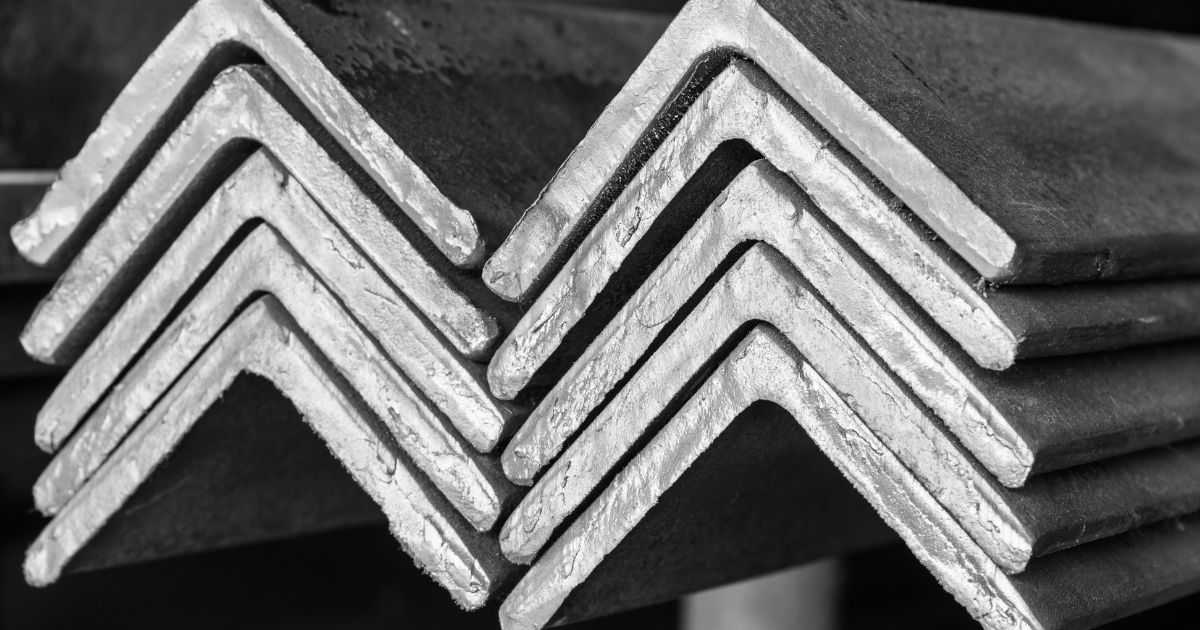
An MS Angle is an L-shaped steel profile made from low-carbon mild steel. The two legs of the angle can be equal or unequal, forming a 90-degree intersection. Because mild steel has excellent weldability, durability, and flexibility, MS Angles are ideal for fabrication and structural support in heavy-duty applications.
Key characteristics:
- Strong load-bearing capability
- High weldability and machinability
- Affordable compared to stainless steel
- Available in multiple thicknesses & sizes
- Suitable for both indoor and outdoor structures
Types of MS Angles
1. Equal Angles
Both legs are the same length (e.g., 50×50, 100×100).
Best for:
- Structural frames
- Trusses
- Shelving and racks
- Bridge structures
- Transmission towers
Equal angles provide consistent load distribution on both sides.
2. Unequal Angles
Legs are of different lengths (e.g., 75×50, 100×75).
Best for:
- Structural reinforcement
- Frames needing directional strength
- Construction bracings
- Support beams with uneven load
They offer strength in one primary direction, making them ideal for asymmetrical loads.
3. T-Shaped Angles
Produced by splitting equal angles.
Used in:
- Engineering works
- Fabrication components
- Stone cladding support
4. V-Shaped Angle
Provide extra rigidity.
Used in:
- Heavy industrial machinery
- Equipment fabrication
5. IS/Bulb Angles
Designed with a rounded bulb at the end of one leg for enhanced strength.
Common in:
- Shipbuilding
- Heavy infrastructure projects
MS Angle Weight Chart (Standard Sizes as per IS 808)
| Size (mm) | Weight (Kg/m) |
|---|---|
| 25 × 25 × 3 | 1.10 |
| 32 × 32 × 3 | 1.44 |
| 40 × 40 × 3 | 1.81 |
| 40 × 40 × 5 | 2.94 |
| 50 × 50 × 3 | 2.30 |
| 50 × 50 × 5 | 3.73 |
| 50 × 50 × 6 | 4.50 |
| 65 × 65 × 5 | 4.90 |
| 65 × 65 × 6 | 5.80 |
| 75 × 75 × 6 | 6.80 |
| 75 × 75 × 8 | 8.90 |
| 90 × 90 × 6 | 8.20 |
| 90 × 90 × 10 | 13.40 |
| 100 × 100 × 8 | 12.10 |
| 130 × 130 × 12 | 19.70 |
| 150 × 150 × 10 | 23.50 |
These weights help buyers calculate material requirements, load capacity, and pricing accurately.
MS Angle Price Per Kg (2025 Overview)
MS Angle price varies depending on:
- Thickness
- Size
- Grade
- Market fluctuations
- Manufacturer/supplier
Average Price:
₹55 – ₹70 per kg (India market, 2025)
Bulk buyers and industrial clients often receive discounted rates from steel marketplaces and verified suppliers.
Why Industries Prefer MS Angles
Mild Steel Angles are chosen over other materials because they offer the perfect balance of strength, cost efficiency, and adaptability. They can be cut, drilled, welded, and fabricated into any required shape, making them ideal for all levels of construction—light, medium, and heavy.
Applications of MS Angles in Industries
1. Construction & Civil Engineering
Used for:
- Building frames
- Roof trusses
- Lintels
- Columns and beams
- Bracing systems
Their strength-to-weight ratio makes them indispensable in structural frameworks.
2. Industrial Fabrication
Applied in:
- Machine frames
- Conveyor supports
- Heavy equipment structures
- Plant setup
Fabricators prefer MS Angles due to their weldability and customizability.
3. Automotive Secto
Used in:
- Vehicle body frames
- Trailers
- Chassis reinforcement
Their durability ensures long-lasting performance.
4. Warehousing & Storage
Ideal for:
- Racks
- Shelving units
- Storage frames
- Material handling systems
MS Angles provide stability for heavy loads.
5. Electrical & Communication Towers
MS Angles (especially equal angles) are used extensively in:
- Transmission towers
- Telecom towers
- Solar panel structures
6. Agriculture & Rural Infrastructure
Used for:
- Sheds
- Fencing
- Equipment fabrication
- Water tank stands
How Industries Source MS Angles
In today’s fast-moving industrial supply chain, businesses need quick access to verified steel suppliers at the best prices. Platforms like Uddhyog, widely used by manufacturers, builders, and MSMEs, simplify industrial procurement by connecting buyers with trusted steel dealers, providing real-time pricing, and ensuring quality‐verified material delivery.
For companies seeking bulk MS Angles, Uddhyog helps in:
- Price comparison
- Verified seller selection
- Bulk order quotations
- Timely delivery tracking
- Access to multiple grades and sizes
This has made Uddhyog a reliable choice for steel buyers across construction, fabrication, engineering, and industrial sectors.
Advantages of Using MS Angles
- High strength & rigidity
- Cost-effective structural solution
- Easy to fabricate and customize
- Corrosion-resistant when galvanized/painted
- Long service life
- 100% recyclable material
These advantages make MS Angles an essential component in modern engineering.
For related materials, feel free to explore our TMT category too.
Conclusion
MS Angles are one of the most versatile, durable, and economical structural steel products used across various industries. Their availability in multiple sizes, types, and thicknesses ensures that they meet the diverse needs of construction, manufacturing, fabrication, and industrial applications.
Whether you’re a small fabricator or a large-scale construction company, understanding the types, sizes, weight chart, and pricing of MS Angles helps you plan your projects more effectively. And with reliable procurement platforms like Uddhyog, sourcing high-quality steel has become faster, safer, and more transparent.