Steel angles are among the most widely used raw materials in construction, fabrication, industrial frameworks and structural engineering. They provide durability, rigidity and support in everything from small household frames to large-scale infrastructure projects. However, when selecting the right angle material, buyers often get confused between steel angles and MS angles.
Though both look similar in shape and serve similar structural purposes, their strength, composition, price and applications differ significantly.
This guide explains all differences, advantages, price comparisons and industry uses—helping you choose the right angle for your project.
What Is a Steel Angle?
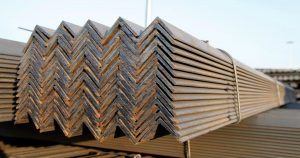
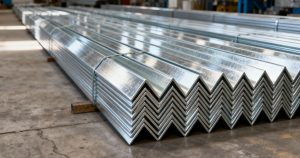
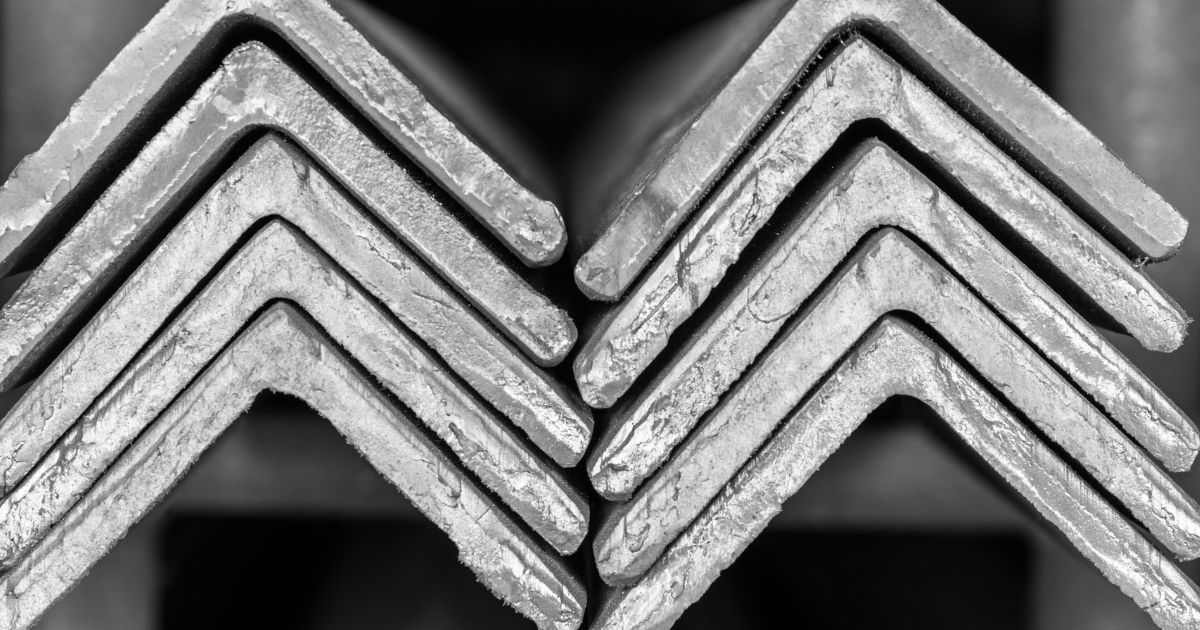
A steel angle is an L-shaped metallic section made using high-strength steel. It may be made from carbon steel, stainless steel or galvanized steel depending on the requirement. Steel angles are known for:
- Higher tensile strength
- Resistance to heavy loads
- Superior durability in harsh conditions
- Better corrosion resistance (especially galvanized or stainless steel variants)
Steel angles are widely used in bridges, heavy structural frames, towers, industrial machinery, warehouses and load-bearing structures.
What Is an MS Angle?
An MS (Mild Steel) angle is also an L-shaped steel section, but it is manufactured using low-carbon mild steel. MS angles are extremely popular due to their affordability, weldability and flexibility.
They are mostly used in light to medium construction work, frames, supports, racks, gates and general fabrication.
Properties of MS Angles:
- Low carbon content
- Easy to cut, weld and fabricate
- More economical than high-strength steel
- Suitable for general engineering purposes
Mild steel angles are available in both equal angles and unequal angles, with sizes ranging from 25×25×3 mm to 150×150×12 mm.
Steel Angle vs MS Angle: Key Differences
| Feature | Steel Angle | MS Angle |
|---|---|---|
| Material Composition | High-strength steel / carbon steel / stainless | Low-carbon mild steel |
| Strength Level | Higher tensile and compressive strength | Moderate strength |
| Load Bearing | Suitable for heavy loads | Suitable for light/medium loads |
| Corrosion Resistance | Excellent (if galvanized/stainless) | Lower (needs coating/paint) |
| Weldability | Good, but harder compared to MS | Excellent—preferred for fabrication |
| Price | Higher | More budget friendly |
| Applications | Industrial, bridges, towers, machinery | Frames, racks, supports, general fabrication |
| Durability | Long-lasting | Good, but needs protection |
Strength Comparison: Which Is Stronger?
Steel Angle Strength
Steel angles provide superior mechanical strength and stability. They can withstand:
- High tensile stress
- Heavy structural loads
- Extreme vibration
- Outdoor environmental exposure
This makes them ideal for big structural projects.
MS Angle Strength
MS angles offer enough strength for most general construction purposes. Their load-bearing capacity is sufficient for:
- Frames
- Grills
- Light beams
- Shelving
- Equipment supports
However, they are not suitable for extremely heavy-duty or high-stress structures.
Cost Comparison: Which Is More Affordable?
MS Angle Price
MS angles are the most economical option because mild steel has lower carbon content and easier manufacturing processes.
- Approx price: ₹45–₹70 per kg (varies by size and thickness)
Steel Angle Price
High-strength steel, galvanized steel or stainless steel angles cost more due to their quality and durability.
- Approx price: ₹70–₹150+ per kg depending on grade and finish
Conclusion:
If budget is a priority → choose MS angles.
If long-term durability and load capacity matter → choose steel angles.
Applications: Where Are They Used?
Steel Angle Applications
- Bridge construction
- Transmission & telecom towers
- Industrial machinery
- Heavy fabrication
- Large building structures
- Oil & gas platforms
- Warehousing support systems
MS Angle Applications
- Window & door frames
- Light structures
- Furniture frames
- Racks and shelves
- Small trusses
- Fencing and gates
- General fabrication in workshops
Role of Steel Angles & MS Angle
In India’s fast-growing industrial manufacturing sector, both steel angles and MS angles play a crucial role. Industrial buyers prefer MS angles for cost-efficient fabrication, warehouse planning, storage systems and small equipment frames.
On the other hand, heavy industries—like energy, power plants, telecom and infrastructure—use high-strength steel angles for large frameworks and machinery support. For reliable sourcing, you can also explore Udhhyog Steel Industrial Catalyst for quality steel products.
The demand for both materials has increased significantly due to India’s rapid industrial expansion, MSME growth and infrastructure investments.
Standard Sizes & Weight (Common Examples)
| Size (mm) | Thickness | Approx Weight (kg/mtr) |
|---|---|---|
| 25×25×3 | 3mm | 1.10 |
| 40×40×3 | 3mm | 1.81 |
| 50×50×5 | 5mm | 3.73 |
| 65×65×6 | 6mm | 5.80 |
| 75×75×6 | 6mm | 6.80 |
| 100×100×8 | 8mm | 12.10 |
| 130×130×12 | 12mm | 19.70 |
These weights may vary depending on manufacturer tolerance.
Which One Should You Choose? (Final Recommendation)
✔ Choose MS Angle if:
- You want affordable material
- You need easy welding & fabrication
- Your project involves light/medium load
- You are building frames, racks or small structures
✔ Choose Steel Angle if:
- You require high structural strength
- You are working on industrial or heavy projects
- You need corrosion resistance
- You want long-term durability with minimal maintenance
Final Verdict:
Both steel angles and MS angles are essential materials, but selection depends entirely on your load requirement, budget and environmental conditions.
If needed, you can visit our Angle category to learn more.