Introduction
Steel channels are among the most widely used structural components in construction, fabrication, machinery, and industrial projects. Two of the most commonly compared steel channel types are MS Channels and Strut Channels. While both serve as support members, they are built differently, perform differently, and are suited for very different workloads.
If you are involved in construction, industrial installation, racking, mechanical systems, solar mounting, or fabrication work, understanding the difference between these two channels is essential to choosing the right one for your application.
This guide explains MS Channels vs Strut Channels, their uses, strengths, limitations, and when you should choose one over the other. We’ll also look at how industries source them through digital procurement platforms such as Udhhyog, which simplify the industrial steel buying process.
What Are MS Channels?
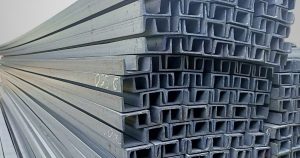
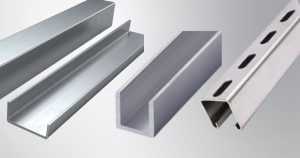
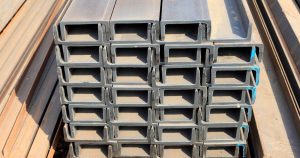
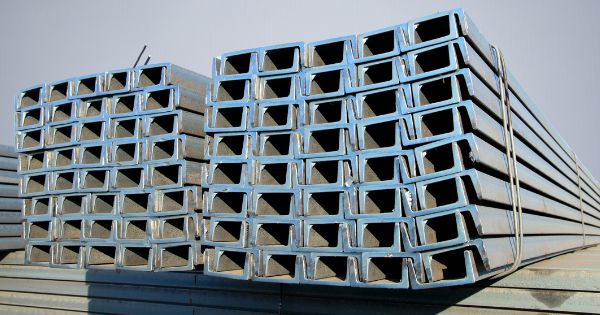
MS (Mild Steel) Channels, also known as C-channels or ISMC channels, are hot-rolled steel structural members with a “C” shaped cross-section. They offer:
- High load-bearing strength
- Excellent weldability
- Durability for long-term construction use
- Compatibility with heavy structural work
MS Channels are manufactured through hot rolling, giving them rigidity and dimensional strength. These channels are commonly used for:
- Construction frames
- Building reinforcement
- Bridges
- Machinery frames
- Vehicle chassis
- Industrial equipment support
- Warehouse structures
They are available in various sizes (such as ISMC 75, 100, 125, 150, 200, etc.) and can withstand heavy static and dynamic loads.
What Are Strut Channels?
Strut Channels, often called slotted channels, C-struts, or framing channels, are cold-formed steel channels used mainly for light to medium-duty support systems. These channels often come with pre-punched slots for quick installation.
- Electrical cable tray supports
- HVAC ducting frameworks
- Plumbing, drainage, and piping supports
- Solar panel mounting
- Data center and industrial MEP installation
- Light racking and framing
They rely heavily on accessories like brackets, clamps, nut bolts, and joiners. Unlike MS Channels, strut channels are not meant for structural load-bearing or heavy-duty frameworks.
MS Channels vs Strut Channels — Key Differences
1. Strength and Load Capacity
- MS Channels: Designed for structural and heavy-load applications; they can handle vertical and horizontal stress efficiently.
- Strut Channels: Suitable only for light to medium loads; mainly used for support systems and MEP installations.
2. Manufacturing Process
- MS Channels: Hot-rolled → more rigid, stronger, thicker sections
- Strut Channels: Cold-formed → thinner sections, smoother finish, more flexibility in installation
3. Application Type
- MS Channels: Bridges, building structures, frames, machine bases
- Strut Channels: Electrical, HVAC, solar, piping support systems
4. Customization
- MS Channels: Custom-cut, welded, or fabricated
- Strut Channels: Modular installation; uses accessories instead of welding
5. Cost
- MS Channels: Higher cost due to heavier weight and material thickness
- Strut Channels: Lower cost due to thin gauge and fast installation
When to Use MS Channels
Choose MS Channels when your project requires:
- Heavy load-bearing capability
- Structural support
- Long-lasting, high-strength frameworks
- Construction reinforcement
- Equipment or machine base creation
- Infrastructure projects
Examples:
- Warehouse columns and beams
- Factory sheds
- Foot-over bridges
- Truck and vehicle frames
- Industrial mezzanines
If your project involves primary support, MS Channels are the right choice.
When to Use Strut Channels
Choose Strut Channels when your requirement is:
- Quick installation
- Modular fastening
- MEP (Mechanical, Electrical, Plumbing) support
- Lightweight structural framing
- Solar rooftop mounting
- Cable management
Examples:
- Air-conditioning duct supports
- Firefighting pipe brackets
- Electrical wiring tray supports
- Solar panel frames
- Industrial light racking
Strut channels are perfect for installation projects, not heavy structural work.
You can check out our TMT category as well.
How Industries Source These Channels Today
Industrial buyers today often prefer digital platforms for steel procurement because it saves time and offers better price transparency. Platforms like Udhhyog are increasingly used by contractors, fabricators, and factory owners to source MS Channels, Strut Channels, MS Beams, Angles, and other structural steel.
Such platforms help compare suppliers, check stock availability, and get faster delivery without traditional offline follow-ups.
Conclusion
Both MS Channels and Strut Channels play important but separate roles in construction and industrial projects.
- Choose MS Channels for structural strength, durability, and heavy-load support.
- Choose Strut Channels for light installations, modular framing, and MEP systems.
Understanding the difference helps prevent over-engineering, reduces cost, and ensures safety and reliability in your project.