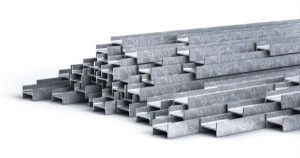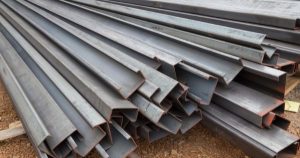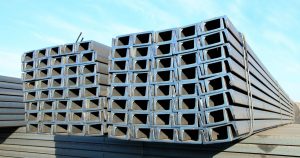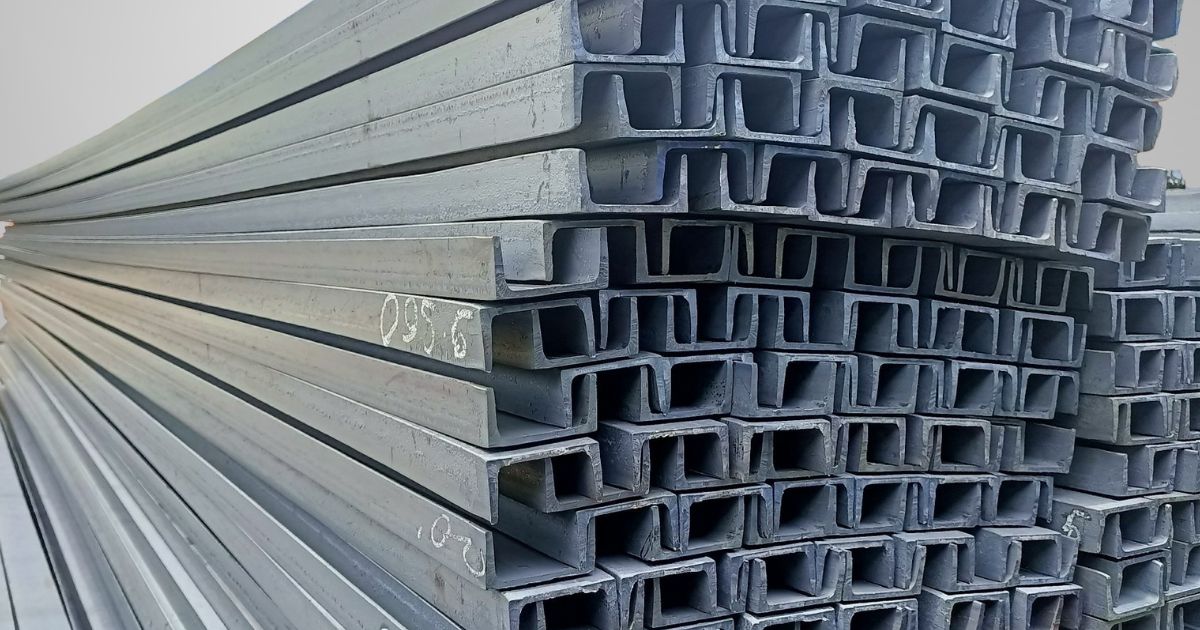
Mild Steel) MS Channels are among the most reliable, cost-effective, and versatile structural components used across construction, manufacturing, infrastructure, and heavy industries. Their unique C-shaped design, durability, and high load-bearing capacity make them ideal for everything from building frameworks to machine support systems.
If you work in the steel sector, real estate, fabrication, or operate in the growing industrial ecosystem, understanding MS channel specifications, size charts, weight charts, and price ranges is essential for smarter and more economical procurement.
This comprehensive guide covers everything you need: types of MS channels, size & weight charts, pricing, applications, and how to select the right one for your project.
What is an MS Channel?
An MS Channel is a hot-rolled mild steel section shaped like a “C” or “U” with two flanges and a central web. These channels are strong, easy to weld or cut, and capable of handling heavy loads.Channels often work in combination with pipes in many industrial applications.
MS channels come in:
- C-Channel
- U-Channel
- Plain Channel
- Lipped Channel
- Universal Channel
Because of their moderate carbon content, they offer:
- Excellent weldability
- High structural stability
- Flexibility for fabrication
- Cost-effective performance
They are widely used in construction, industrial setups, bridges, vehicle frames, warehouses, and machinery manufacturing.
Types of MS Channels
Different projects demand different channel strengths and configurations. These are the most commonly used types:
1. Plain Channels
Basic channels used in general construction work such as electrical installations, plumbing frameworks, racks, and light industrial structures.
2. Universal Channels
Also known as “U-Channels,” these are designed for heavy engineering works. They support drilling, welding, and modification easily.
3. Lipped Channels
These channels include an extended lip for improved load support, making them ideal for:
- Building structures
- Roof purlins
- Industrial sheds
- Heavy machinery support
4. MS C-Channels
The most popular channel used in construction, railways, bridges, doors, and windows.
MS Channel Size Chart (Standard Dimensions)
Below are some standard MS channel sizes used across industries:
| Channel Size | Web Depth (mm) | Flange Width (mm) | Thickness (mm) |
| C 75×40 | 75 | 40 | 4.8 |
| C 100×50 | 100 | 50 | 5 |
| C 125×65 | 125 | 65 | 5.3 |
| C 150×75 | 150 | 75 | 6 |
| C 200×75 | 200 | 75 | 7.5 |
These sizes may vary slightly depending on the manufacturer.
MS Channel Weight Chart (KG per Meter)
| Channel Size (mm) | Weight (kg/m) |
| 75×40 | 7.1 kg/m |
| 100×50 | 9.6 kg/m |
| 125×65 | 13.1 kg/m |
| 150×75 | 16.8 kg/m |
| 200×75 | 22.3 kg/m |
You can also calculate weight using any online MS channel weight calculator, which is commonly used in fabrication and industrial Udyog operations for costing and planning.
MS Channel Price in India (2025 Update)
MS channel prices vary depending on size, brand, and daily steel rates.
Average Price Range (per kg):
₹58 – ₹72 per kg
Average Price per Meter (based on weight):
- Small channels: ₹400 – ₹700 per meter
- Medium channels: ₹800 – ₹1,200 per meter
- Heavy channels: ₹1,500 – ₹2,200 per meter
Prices fluctuate depending on:
- Market demand
- Raw material cost
- Manufacturing brand
- Location & transportation
Advantages of MS Channels
1. High Strength
MS channels can bear heavy loads and withstand strong forces in buildings, bridges, and machinery.
2. Excellent Durability
They perform well in harsh industrial environments with the help of coatings or galvanization.
3. Cost-Effective
MS channels are cheaper than stainless steel or aluminum but still offer great performance.
4. Easy Fabrication
They can be cut, welded, drilled, and shaped smoothly.
5. Versatile Applications
Useful across real estate, factories, heavy units, automotive, railways, and warehouses.
Uses and Applications
1. Structural Support
Used in beams, columns, trusses, and frameworks for buildings.
2. Roofing and Flooring
Commonly used as purlins for roofing, support for mezzanine floors, and industrial sheds.
3. Racks and Storage Systems
Perfect for warehouse rack systems due to their strength and uniform structure.
4. Material Handling Equipment
Used in conveyor systems, lifts, platforms, and trolley frames.
5. Vehicle & Machinery Frames
MS channels support heavy machine parts, engines, and vehicle chassis.
6. Bridges & Infrastructure
Used in:
- Bridge components
- Guardrails
- Railway platforms
- Highway sign supports
Their load-bearing strength makes them ideal for government and private infrastructure projects.
Choosing the Right MS Channel – Key Factors
Before buying an MS channel, check:
Material grade
Load-bearing capacity
Dimensional accuracy
Rust resistance/coating
Weight per meter
Manufacturer reputation
Compliance with IS standards
Conclusion
MS channels are among the most reliable steel sections used in construction, industrial machinery, transportation, and infrastructure. Their strength, durability, flexibility, and cost-effectiveness make them a prime choice for both small-scale and large-scale projects.
Now that you have a clear understanding of MS Channels, it’s time to explore the market for the best deals that match your project requirements. Udhhyog – Steel Khareedna Simplified – is your trusted destination for a wide range of high-quality MS channels at competitive prices across North India. With Udhhyog, you can be confident that your project gets the strength and reliability of premium steel.