MS channels remain one of the most dependable structural materials across India’s construction and industrial landscape. Every contractor, fabricator, or hardware dealer relies on these channels for frameworks, support systems, storage structures, and heavy-duty applications. Yet many buyers still struggle with one key question: Which MS channel grade should I choose?
A small misunderstanding in grade selection often leads to higher costing, structural issues, or performance failure. This article simplifies MS channel grades, specifications, applications, and the factors you must check before buying.
A few weeks ago, we discussed TMT bars in our previous blog. Many readers raised a similar question there—how do I select the right metal grade? Today’s article continues from that curiosity and breaks down everything you need to know about MS channels.
What Are MS Channels?
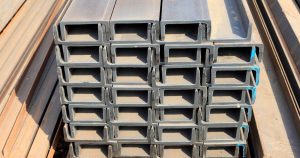
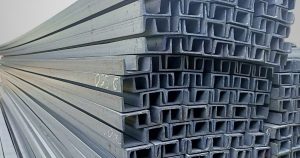
MS channels are structural steel components shaped like the letter “C”. They consist of a vertical web and two parallel flanges. This shape gives the channel high strength, rigidity, and load-bearing capacity.
MS channels are widely used in:
- Building structures
- Bridges and support frameworks
- Industrial fabrication
- Storage racks and machine frames
- Heavy-duty shelves
- Plumbing and infrastructure support systems
Their versatility makes them one of the most demanded steel products in industrial markets.
Why Choosing the Right Grade Matters
Many buyers assume all MS channels are the same. They are not.
Each grade is designed for a different level of:
- Tensile strength
- Yield strength
- Bending capacity
- Weldability
- Durability
A wrong grade can compromise the life of the structure.
A correct grade ensures greater performance at a lower cost.
Common MS Channel Grades in India
Below are the most commonly used grades, along with what they offer and where they work best.
1. IS 2062 E250 – The Most Popular Grade
This is the standard structural steel grade used across most construction projects.
It offers:
- Good weldability
- Balanced strength
- Easy fabrication
Best for:
Building frameworks, warehouse racks, general fabrication, light industrial structures.
2. IS 2062 E350 – More Strength, Less Weight
This grade has a higher yield strength than E250.
It supports heavier loads without increasing weight.
Best for:
Large commercial buildings, industrial beams, bridges, heavy machinery frames.
3. IS 808 Standard Sizes for MS Channels
IS 808 defines dimensions for channels used across India.
Common Sizes (in mm)
| Channel | Web (mm) | Flange (mm) | Weight (kg/m) |
|---|---|---|---|
| C 75 | 75 | 40 | 7.14 |
| C 100 | 100 | 50 | 9.56 |
| C 125 | 125 | 65 | 13.10 |
| C 150 | 150 | 75 | 16.80 |
| C 200 | 200 | 75 | 22.30 |
Values may vary slightly by manufacturer.
4. Custom-Fabricated or Rolled Channels
Some projects require tailor-made channels with:
- Higher thickness
- Custom width
- Additional strength
- Bending or shaping
These are commonly used in industrial machinery, conveyors, and plant fabrication. For related materials, feel free to explore our flat category too.
Factors That Affect MS Channel Grades and Pricing
Several components directly impact the price of an MS channel in the market.
1. Grade Type
E250 is cheaper than E350.
Higher grades = Higher strength = Higher pricing.
2. Size & Dimensions
Bigger dimensions and heavier weight per meter increase the price.
3. Manufacturing Process
Hot-rolled channels cost more than cold-formed channels due to superior strength.
4. Raw Material Prices
Fluctuation in steel billet prices directly affects the market rate.
5. Market Demand
Peak construction periods increase channel pricing across suppliers.
6. Coating or Finishing
Galvanized channels cost more but offer better rust resistance.
Applications Based on MS Channel Grades
E250 Grade
Used in:
- Columns
- Building frames
- Wall support systems
- Storage units
E350 Grade
Chosen for:
- High-load platforms
- Industrial fabrication
- Bridges
- Infrastructure projects
Custom Grade or Rolled Steel
Needed for:
- Machinery bases
- Heavy industrial structures
- Conveyor support systems
Understanding which grade matches your project ensures better safety and controlled cost.
How Udhhyog Helps You Select the Right MS Channel
Many B2B buyers spend hours searching for authentic suppliers, comparing rates, checking stock availability, and verifying sizes. Udhhyog simplifies this entire process by offering multiple MS channel grades, sizes, and supplier options in one place with real-time pricing and verified deliveries. It helps contractors, fabricators, and traders get the right grade at the right rate without delays.
How to Choose the Right Grade for Your Project
Here is a quick checklist:
- Check load requirements
- Confirm structural designer’s recommendation
- Choose E350 for heavy-duty work
- Choose E250 for regular construction
- Select galvanized channels for outdoor use
- Verify IS 808 standard sizes
- Compare prices and suppliers
Selecting the correct grade ensures safety, durability, and cost-efficiency in the long run.
Conclusion
Understanding MS channel grades helps you make smarter purchasing decisions for construction, fabrication, and infrastructure projects. Whether you choose E250 for general use or E350 for heavy load applications, verifying size, weight, and specifications is crucial. With easier access to suppliers through platforms like Udhhyog, sourcing high-quality MS channels has become faster, simpler, and more reliable.
Are you ready to choose the right MS channel grade for your next project?