Understanding the Jindal GI pipe weight chart is important for anyone working in construction, plumbing, agriculture, or industrial projects. Pipe weight affects cost, load capacity, transport planning, and long-term safety. In 2025, Jindal GI pipes continue to be a preferred choice because of their consistent quality, zinc coating, and standard sizes.
This guide explains Jindal GI pipe weights in a clear way, along with classes, sizes, and buying insights. Whether you are a contractor, fabricator, or buyer, this breakdown will help you plan better and avoid mistakes.
What Makes Jindal GI Pipes Reliable
Jindal GI pipes are made from mild steel and coated with zinc to protect against rust. This coating allows the pipes to perform well in outdoor and water-related uses. They follow Indian standards and come in different thickness classes to suit light, medium, and heavy-duty work.
Pipe weight changes with diameter and wall thickness. That is why using a proper Jindal GI pipe weight chart helps you select the right pipe for your project. visit our Pipe category to learn more about Pipe.
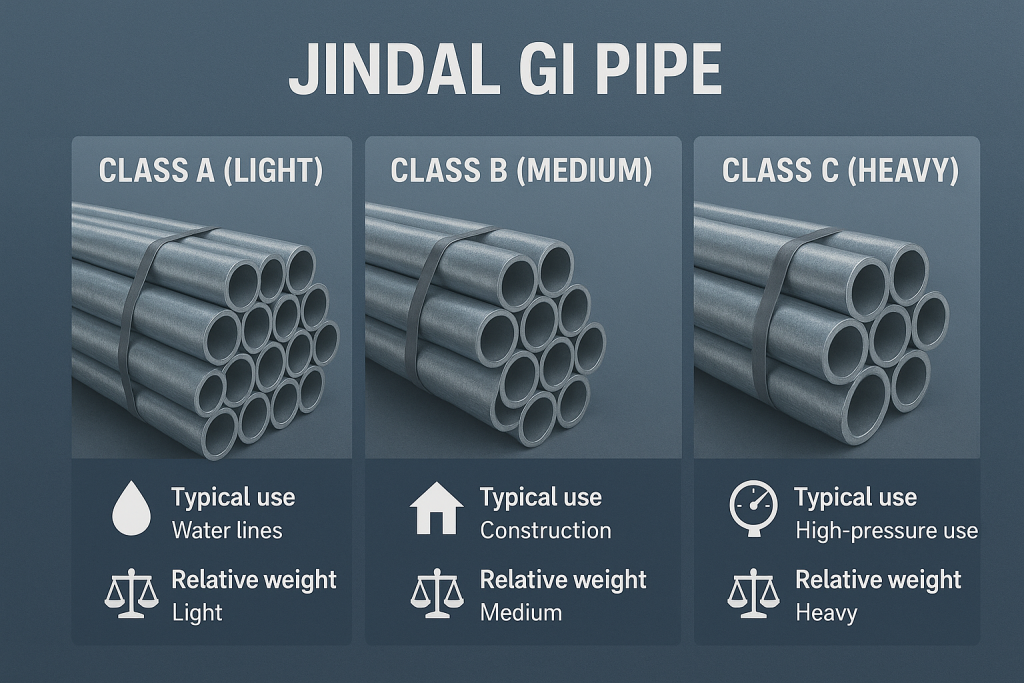
Jindal GI Pipe Classes Explained
GI pipes are commonly available in three classes:
- Class A (Light): Used for low-pressure water lines and temporary setups
- Class B (Medium): Used in plumbing, fencing, and general construction
- Class C (Heavy): Used for high-pressure flow, structural work, and long-term use
Each class has a different wall thickness, which directly affects weight and strength.
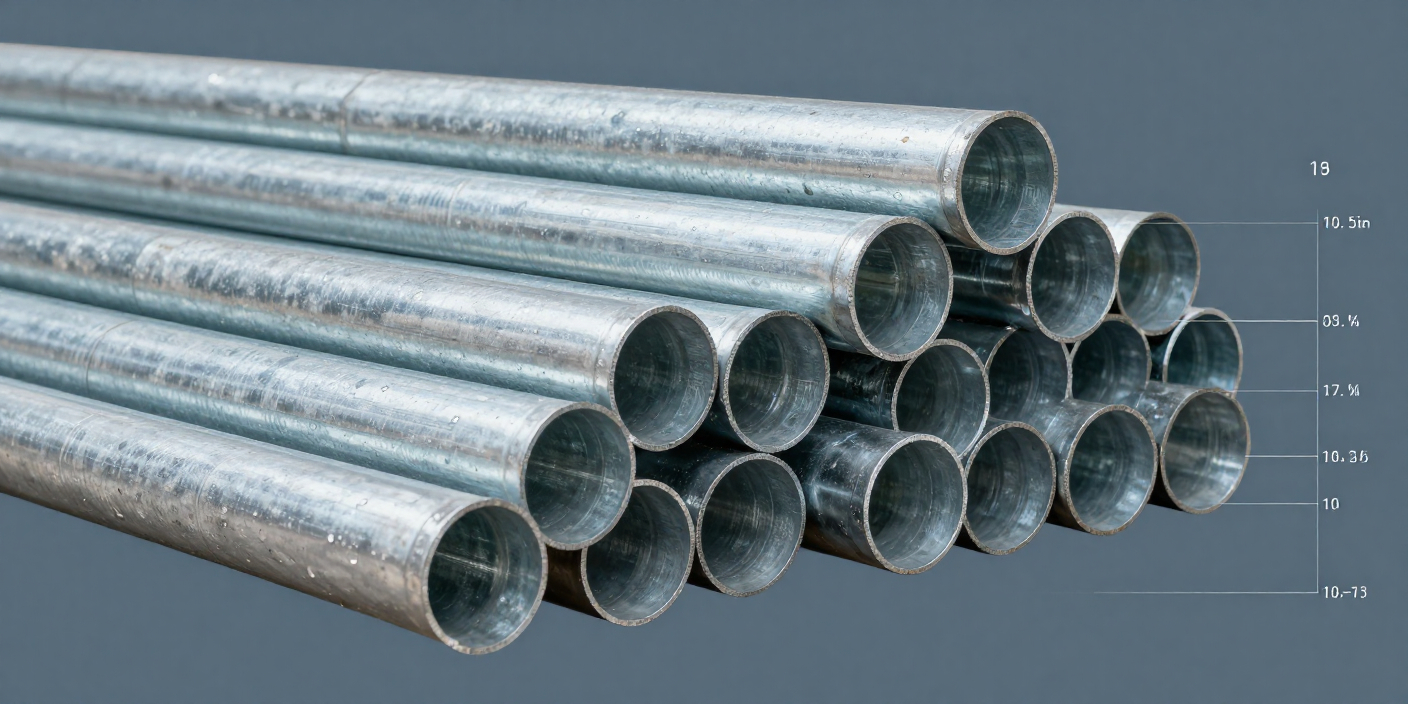
Jindal GI Pipe Weight Chart (Per Meter)
| Pipe Size (Inch) | Class A (kg/m) | Class B (kg/m) | Class C (kg/m) |
| 0.5″ | 0.59 | 0.77 | 0.94 |
| 1″ | 1.12 | 1.42 | 1.75 |
| 1.5″ | 1.82 | 2.34 | 2.95 |
| 2″ | 2.50 | 3.20 | 3.90 |
| 2.5″ | 3.60 | 4.40 | 5.30 |
| 3″ | 4.50 | 5.40 | 6.30 |
| 4″ | 6.50 | 7.70 | 9.10 |
Note: Weights are approximate and may vary slightly by coating thickness.
Why Pipe Weight Matters
Pipe weight helps you:
- Estimate project cost
- Plan transport and storage
- Check load-bearing limits
- Match pipes to pressure needs
Choosing the wrong class can raise costs or reduce pipe life. Always match the pipe class to its use.
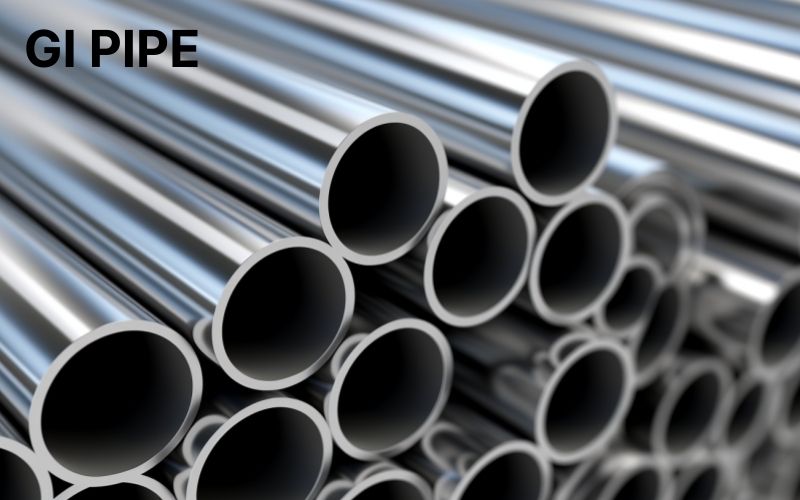
Industrial Supply and Sourcing Insight
For industries that need reliable steel materials in bulk, sourcing plays a key role. Platforms like Udhhyog help industries connect with verified suppliers for GI pipes and other steel products. Such industrial catalysts support smoother procurement, better price comparison, and steady material availability for long-term projects.
Conclusion
The Jindal GI pipe weight chart remains a key tool in 2025 for smart pipe selection. By understanding pipe classes, sizes, and weights, you can reduce waste, control costs, and improve safety. Always confirm pipe class, weight per meter, and coating quality before final purchase.
FAQ‘s
GI pipe weight depends on size and class. It usually ranges from 0.59 kg/m to 9.10 kg/m.
Jindal C-class pipes are heavier. For example, a 2-inch C-class pipe weighs about 3.90 kg per meter.
GI pipe prices generally range between ₹65 – ₹95 per kg, based on size, class, and market rates.
A 50 × 50 × 2.5 mm square pipe weighs around 3.7 kg per meter.