Steel angles are among the most essential components in modern construction and fabrication. From building frames to machinery supports, these simple L-shaped steel sections provide exceptional strength, stability, and cost-effective performance. In industries where durability and precision matter — such as infrastructure, metal fabrication, plant engineering, heavy machinery and industrial sheds — equal and unequal angles are considered the backbone of structural designs.
In this guide, we’ll explore what equal and unequal angles are, how they differ, their key applications, and why choosing the right type of steel angle can significantly improve the efficiency and safety of any project.
What Are Steel Angles?
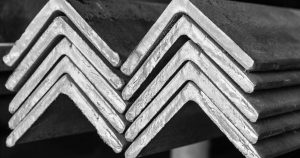
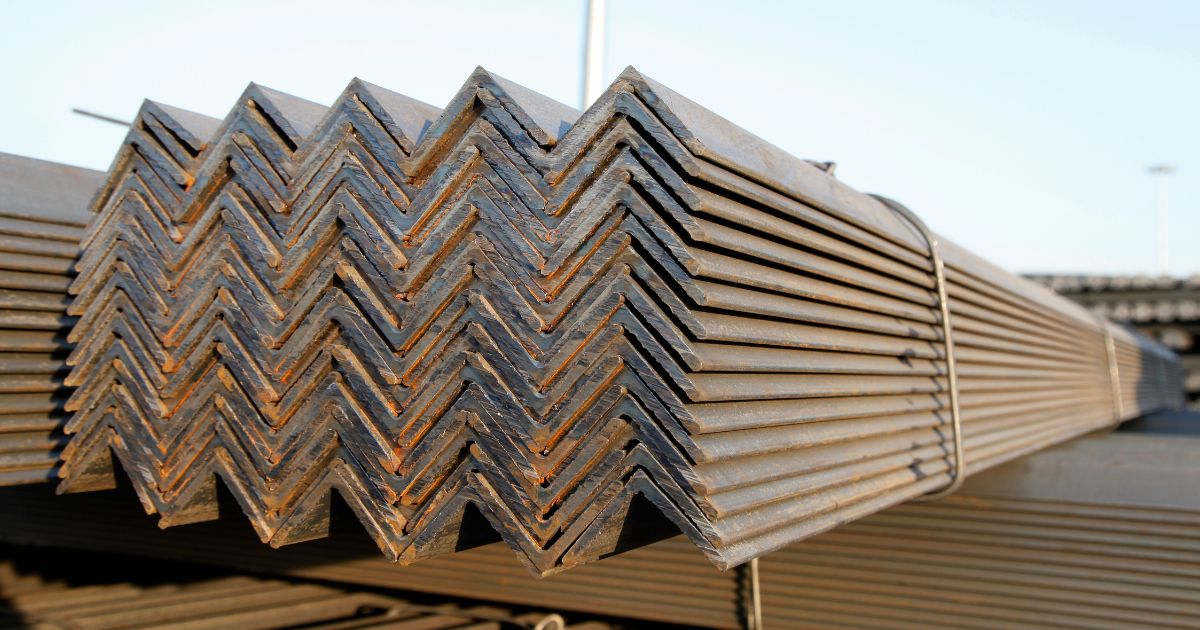
Steel angles are L-shaped metal sections made by bending or rolling steel into a 90-degree shape. They come in two main types:
- Equal Angles – both legs are the same length
- Unequal Angles – one leg is longer, creating an asymmetrical L-shape
Both are available in multiple grades such as IS 2062, mild steel, galvanised steel, and stainless steel. They are widely used for load-bearing, bracing, framing, reinforcing and fabrication tasks across construction and industrial projects.
What Are Equal Angles?
Equal angles are steel angles where both legs are of identical length, such as 50×50×5 mm or 75×75×6 mm. This symmetry gives equal angles balanced strength and the ability to handle loads from multiple directions.
Key Features of Equal Angles
- Uniform leg lengths
- Excellent resistance against bending and torsion
- Even load distribution on both axes
- Easy to weld, cut, drill, and fabricate
- Ideal for repetitive, symmetrical, or balanced structural designs
Common Uses of Equal Angles
Equal angles are one of the most used steel sections in construction and fabrication:
- Roof trusses and metal building frames
- Bracing, support beams, and mezzanine structures
- Frames for machinery, equipment, and heavy racks
- Retaining structures and load-bearing frameworks
- Reinforcement for steel and concrete columns
- Railings, gates, stairs, and general fabrication
Because both sides carry weight evenly, equal angles are preferred for applications where symmetry, stability, and uniform load distribution are important.
What Are Unequal Angles?
Unequal angles have two legs of different lengths, such as 100×75×8 mm or 150×100×12 mm. The longer leg provides additional strength in one direction, making unequal angles ideal for directional load-bearing.
Key Features of Unequal Angles
- Asymmetrical shape for directional strength
- Optimized for areas with unequal load distribution
- Highly suitable for structural reinforcements
- Provides more strength with less material usage
- Excellent for confined spaces where one side requires more support
Common Uses of Unequal Angles
Unequal angles are widely used in:
- Bridges, platforms, and industrial walkways
- Vehicle frames, shipbuilding, and heavy machinery
- Column and beam reinforcement
- Construction of workshops, industrial sheds, and towers
- Supporting corners of structures under high stress
- Fabrication of frames, staircases, and architectural metalwork
Unequal angles help balance weight economically, making them the preferred choice for heavy-duty, directional or asymmetric structural applications.
Equal vs Unequal Angles: What’s the Difference?
| Feature | Equal Angles | Unequal Angles |
| Leg Length | Same on both sides | One leg longer than the other |
| Strength Distribution | Balanced in all directions | Stronger in one direction |
| Fabrication | Easier due to symmetry | Slightly complex due to uneven legs |
| Best Use | Frames, bracing, trusses | Reinforcement, directional load areas |
| Design Advantage | Uniform shape | Custom strength optimization |
Conclusion:
Choose equal angles for general structural work where balance matters. Choose unequal angles when you need extra strength on one side or want to reduce material costs while maintaining stability.
Material Options and Finishes
Steel angles are manufactured in several grades and coatings:
1. Mild Steel (MS) Angles
- Strong, ductile, economical
- Ideal for indoor and general construction
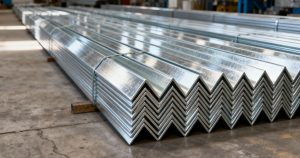
2. Galvanised Steel Angles
- Zinc-coated for corrosion resistance
- Suitable for outdoor, coastal, or humid environments
3. Stainless Steel Angles
- Excellent rust resistance
- Used in chemical plants, marine applications, food industry
Available Finishes
- Black (mill finish)
- Primed or painted
- Hot-dip galvanised
- Polished stainless
Standard Sizes Available
Equal and unequal angles typically range from:
Equal Angles
- 25×25×3 mm
- 50×50×5 mm
- 75×75×6 mm
- 100×100×8 mm
- 150×150×12 mm
Unequal Angles
- 50×30×4 mm
- 100×75×8 mm
- 150×100×10 mm
- 200×150×12 mm
Most suppliers offer 6 m, 9 m, and 12 m lengths, with cutting services available.
Applications of Equal & Unequal Angles in Construction & Fabrication
Steel angles are essential components in:
- Multi-storey building frames
- Transmission towers and telecom structures
- Infrastructure projects like bridges and pipelines
- Industrial machinery frames and supports
- Plant construction, platforms, and walkways
- Automotive, railway, and shipbuilding industries
- Architectural metalwork and interior fabrication
Many industrial buyers source their angle requirements from platforms like Udhhyog, which connects businesses with verified steel suppliers and ensures timely supply for fabrication and construction projects.
Benefits of Using Steel Angles
- High load-bearing capacity
- Excellent stability and durability
- Lower fabrication time
- Cost-effective structural reinforcement
- Easy to install, weld, and maintain
- Long service life, 100% recyclable
Whether you’re working on heavy machinery, an industrial plant, or commercial construction, steel angles deliver strength, reliability, and long-term performance.
Conclusion
Equal and unequal angles are indispensable for any construction or fabrication project.
- Equal angles offer balanced support and are ideal for general structural works.
- Unequal angles provide targeted strength where load distribution is uneven.
Choosing the right type of angle not only enhances structural integrity but also reduces material waste and improves project efficiency. For industrial buyers looking for dependable sourcing, platforms like Udhhyog simplify procurement and ensure access to high-quality steel products.
Steel angles remain one of the most versatile, affordable, and durable building components — and understanding their types and uses helps you make smarter, safer, and more cost-efficient project decisions.If needed, you can visit our channel category to learn more about channels.