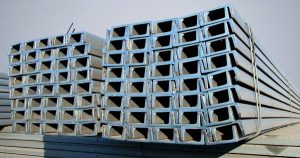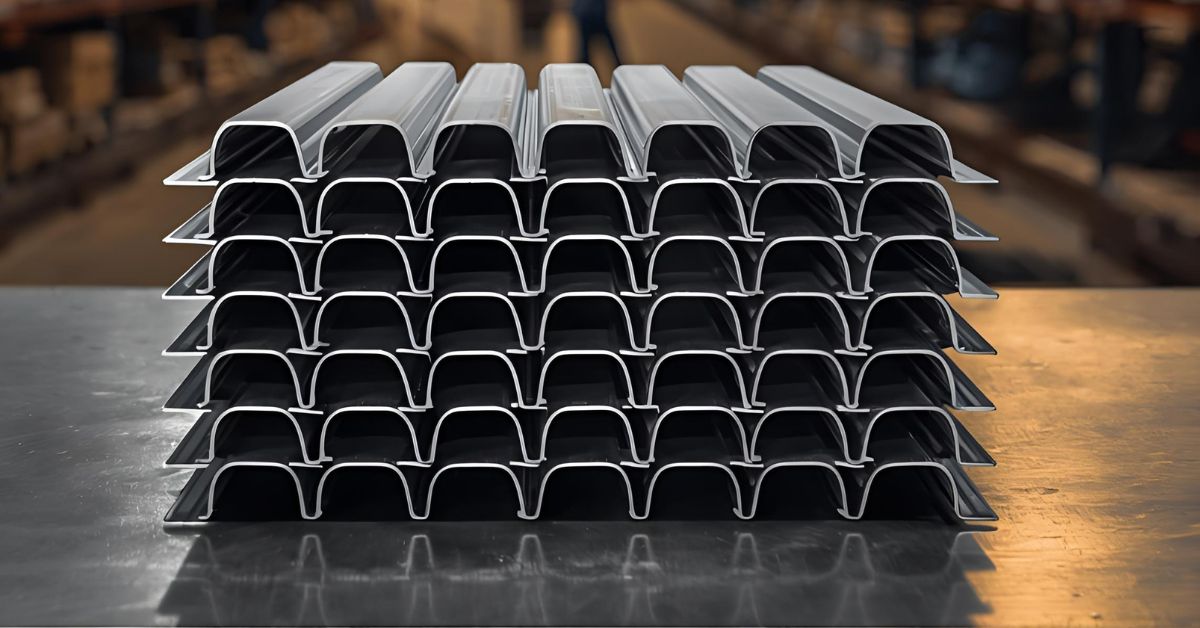
MS channels are strong steel sections shaped like a “C” or “U.” They are used in buildings, machinery, vehicles, and many heavy-duty projects. Their strength, simple shape, and low cost make them a common choice for both industrial and construction work. This guide explains the main types, uses, benefits, and price factors to help you choose the right MS channel for your project.
Table of Contents
- What Is MS Channel?
- Types of MS Channels
- Benefits of MS Channels
- Common Uses
- Size & Weight Chart
- Price Breakdown
- How to Choose the Right MS Channel
- FAQs
- Conclusion
What Is MS Channel?
An MS channel is a mild steel section with one wide web and two side flanges. It provides good load support, stability, and easy welding. These channels are used for frames, supports, beams, and base structures.
Types of MS Channels
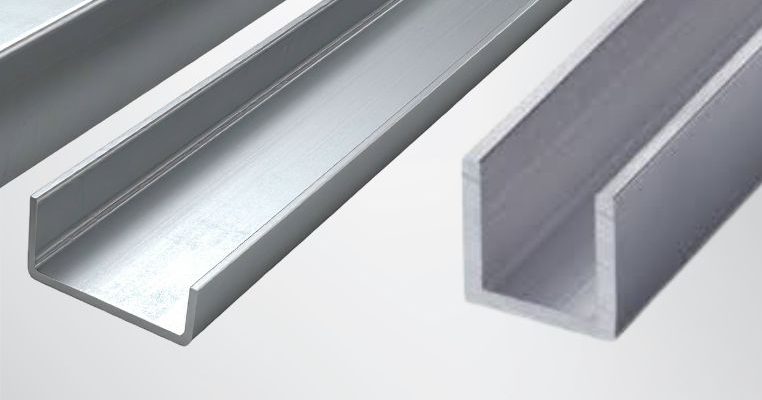
1. Common Channel Types
| Type | Shape | Main Use |
| C-Channel | C-shaped | Frames, supports, general construction |
| U-Channel | U-shaped | Light structures, trims, small-load work |
2. Popular Grades
| Grade | Feature | Where Used |
| IS 2062 E250 | Strong and reliable | Buildings, machines |
| Commercial Quality | Good bendability | Furniture, auto parts |
| S275JR / EN / ASTM | Higher specs | Heavy structures, industry |
Top Benefits of MS Channels
- Strong load-bearing ability
- Good strength-to-weight balance
- Easy to weld, cut and drill
- Works well for both heavy and light projects
- Long-lasting and low maintenance
- Cheaper than many alternative metals
- Flexible for many industries
Common Uses of MS Channels
- Building frames, beams, rafters, trusses
- Machinery stands, conveyors, warehouse racks
- Vehicle bodies, trailers, and support frames
- Bridges, poles, supports, and infrastructure
- Furniture, gates, railings, and grills
Their shape makes them ideal for support applications where stability is needed.
If you’re looking for a trusted supplier, you can check out Udhhyog Steel Industrial Catalyst as well.
MS Channel Sizes and Weight Chart
Weight formula:
Weight (kg) = Width × Thickness × Length × 7.85 / 1000

Price Breakdown of MS Channels
MS channel prices depend on steel rates, size, weight, and grade.
Most suppliers sell MS channels per kg or per meter.
Typical Price Factors
- Market steel rate
- Channel size and section weight
- Grade and material quality
- Surface finish (black, galvanized, etc.)
- Order size and delivery costs
General Price Range
| Type | Price Range (Approx.) |
| Small Channels | ₹55–₹65/kg |
| Medium Channels | ₹58–₹70/kg |
| Heavy Channels | ₹60–₹75/kg |
(Prices vary by region and daily steel rates.)
How to Choose the Right MS Channel
- Check grade and material quality
- Confirm exact size and weight
- Look at surface finish if painting or coating
- Ensure load-bearing strength matches your needs
- Buy from reliable and experienced suppliers
Conclusion
MS channels are strong, easy to use, and suitable for many structures. They come in different types, sizes, and grades, making them useful for construction, machines, vehicles, and industrial work. Understanding their weight, size, and price helps you make better buying decisions.
For related materials, explore our other categories which includes Flat, Angle , Channel, TMT & Pipe .
FAQ’s
MS channel support loads in buildings, machines, and vehicles. It is common in frames, beams, racks, poles, supports, and many structural parts.
MS Channel 150 × 75 means:
150 mm = depth (web height)
75 mm = flange width
It is a medium-heavy channel used for beams, industrial structures, machinery bases, and large frames.
Both have different uses:
MS (Mild Steel) is cheaper, easy to weld, and best for general construction.
SS (Stainless Steel) resists rust better and is used where hygiene or long-term corrosion resistance is needed.
For normal construction, MS is better and more economical.
For water, chemicals, and outdoor exposure, SS is better.