Mild Steel (MS) pipes are among the most widely used steel products in India’s industrial, construction, and engineering sectors. Their strength, adaptability, and affordable cost make them an essential material for everything from structural frameworks to machinery fabrication. However, with fluctuating steel rates, varying grades, and multiple size options, buyers often look for a reliable guide that explains MS pipe price per kg, available sizes, thickness charts, and types in an easy and practical way.
This complete guide simplifies everything you need to know — whether you’re a contractor, fabricator, trader, or industrial buyer. It also references industrial sourcing platforms like Udhhyog, which many businesses use to compare MS pipe prices, request quotations, and explore brand-wise listings.
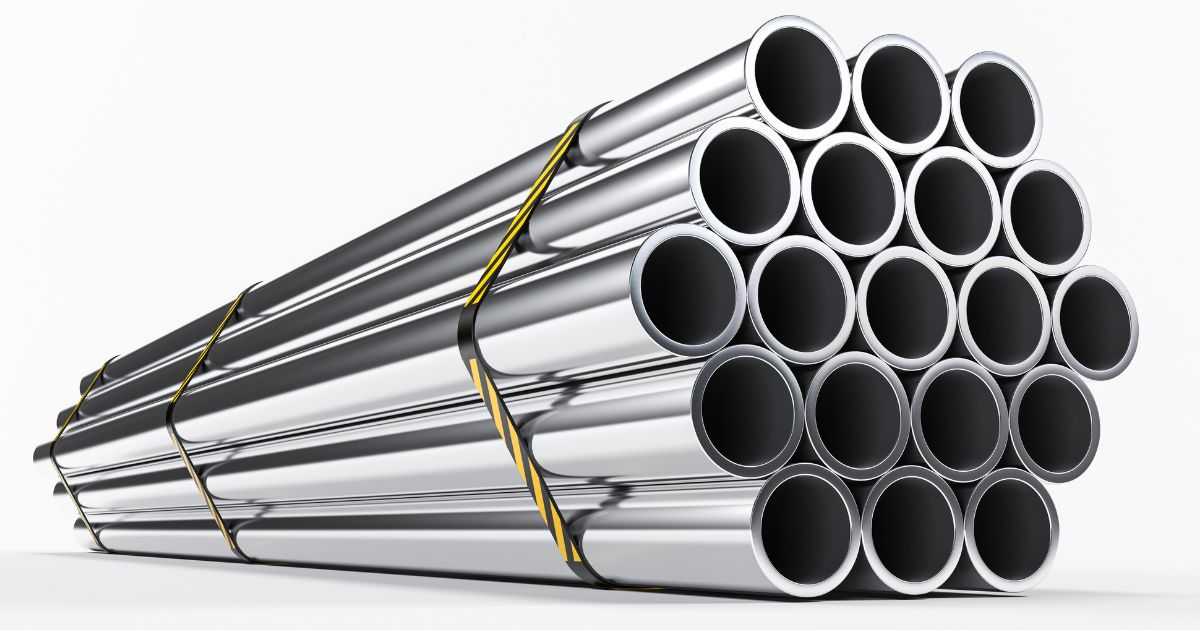
What Are MS Pipes?
MS pipes are manufactured using low-carbon steel (usually less than 0.25% carbon), making them:
- Strong yet flexible
- Easy to weld and bend
- Suitable for heavy and light fabrication
- Affordable compared to alloy or stainless steel pipes
These features make them ideal for plumbing, structural use, general engineering, automotive frameworks, and industrial applications where high tensile strength and durability are required without significantly raising project costs.
MS Pipe Price Per Kg – What Affects the Cost?
MS pipe prices vary across regions and manufacturers, largely influenced by:
1. Market Steel Rates
The base MS coil or sheet price directly impacts per kg pricing. When raw steel costs rise, MS pipe prices follow.
2. Pipe Thickness (Schedule)
Higher thickness = higher weight per meter = higher cost.
For example:
- 2 mm thickness (light-duty) will cost significantly less than
- 5 mm thickness (heavy-duty structural)
3. Diameter / Size
Larger-sized pipes require more steel, increasing the per meter price even if the per kg rate remains similar.
4. Manufacturing Method
ERW (Electric Resistance Welded) MS pipes are most common and economical. Seamless MS pipes cost more due to premium manufacturing processes designed for high-pressure applications.
5. Brand & Certification
ISI-marked and reputed brand pipes are priced slightly higher due to quality assurance.
6. Location & Logistic Costs
Transportation adds to final pricing, especially for large-diameter pipes.
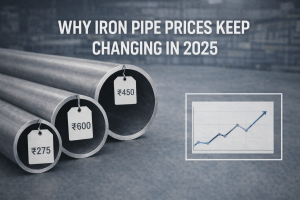
Average MS Pipe Price Per Kg in India (2025 Estimate)
Note: Prices vary by state and supplier.
| MS Pipe Grade | Approx Price Per Kg |
|---|---|
| MS ERW Light | ₹52 – ₹58/kg |
| MS ERW Medium | ₹58 – ₹65/kg |
| MS ERW Heavy | ₹65 – ₹72/kg |
| MS Seamless | ₹78 – ₹95/kg |
Many industrial buyers rely on platforms like Udhhyog to compare live prices, check stock availability, and request bulk quotations from verified steel distributors.
MS Pipe Size Chart (Nominal Bore & Outer Diameter)
MS pipes are generally categorized using NB (Nominal Bore). Below is a simplified size guide widely used in India:
| NB (mm) | OD (mm) | Common Thickness (mm) | Weight Range (kg/m) |
|---|---|---|---|
| 15 | 21.3 | 2.0 – 3.2 | 0.95 – 1.38 |
| 20 | 26.9 | 2.0 – 3.2 | 1.28 – 1.88 |
| 25 | 33.7 | 2.6 – 4.0 | 2.22 – 3.34 |
| 32 | 42.4 | 2.6 – 4.0 | 2.81 – 4.32 |
| 40 | 48.3 | 2.6 – 5.0 | 3.30 – 6.09 |
| 50 | 60.3 | 2.9 – 5.4 | 4.38 – 8.02 |
| 65 | 76.1 | 3.2 – 5.4 | 6.58 – 10.87 |
| 80 | 88.9 | 3.2 – 6.0 | 7.74 – 13.98 |
| 100 | 114.3 | 3.6 – 6.0 | 10.5 – 18.3 |
These size ranges help buyers determine weight per meter, material requirement, and total project cost.
MS Pipe Thickness Chart (Schedule 20, 40, 80)
The wall thickness of MS pipes is often represented by “Schedule” values:
| Schedule | Thickness (mm) | Suitable For |
|---|---|---|
| SCH 20 | 2.0 – 2.3 mm | Low-pressure, domestic, light fabrication |
| SCH 40 | 2.6 – 4.0 mm | Industrial pipelines, structural works |
| SCH 80 | 3.2 – 6.5 mm | High-pressure, heavy-duty industrial use |
Choosing the correct schedule ensures safety, long-term durability, and efficient flow of fluids or gases.
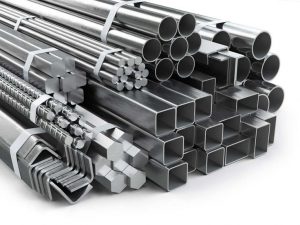
Types of MS Pipes
MS pipes are available in multiple types based on shape and application:
1. MS Round Pipes
Most common for structural frames, fluid transportation, and fabrication.
2. MS Square Pipes
Used in furniture, gates, railings, and modern architectural structures.
3. MS Rectangular Pipes
Provide greater load-carrying capacity—popular in construction and machine frames.
4. MS Seamless Pipes
Preferred for high-pressure, boiler, and petrochemical industries due to their uniform structure.
5. MS ERW Pipes
Ideal for general engineering, water lines, scaffolding, and agricultural applications.
Where MS Pipes Are Used (Industrial Applications)
MS pipes have massive demand due to their versatility:
- Oil & gas transmission
- Structural engineering
- Plant & machinery fabrications
- Water pipelines
- Scaffolding & construction sites
- Automotive manufacturing
- Agricultural irrigation
- HVAC systems
- Steel frameworks & trusses
Industrial buyers often use platforms like Udhhyog to explore price charts, pipe grades, and thickness specifications before making bulk purchases.
How to Choose the Right MS Pipe?
Consider these factors before buying:
- Purpose of Use: Structural vs fluid transport
- Load or Pressure Requirement: Determine the right schedule
- Environment: Outdoor use may require coating or GI alternatives
- Standard Compliance: Prefer ISI-certified suppliers
- Budget: Compare per kg and per meter pricing
If the application involves high moisture or corrosive surroundings, GI pipes or coated MS pipes may be more suitable. You can also explore our Channel category for more related products.
Conclusion
Understanding MS pipe price per kg, size chart, schedule classification, and types allows buyers to make informed decisions and reduce project cost overruns. Whether you’re a contractor or industry buyer, having clarity on dimensions and pricing helps streamline procurement. Industrial sourcing platforms like Udhhyog further simplify this process by offering updated price lists, size charts, and verified suppliers across India.