Rakesh stood at a construction site in Noida, facing a delayed frame installation. His team had strong MS pipes ready, thanks to earlier planning inspired by a GI pipe guide they read last week. But the structure needed more than pipes. It demanded stable support, equal load distribution, and reliable strength. That requirement pointed directly toward MS angles. Many contractors face this situation daily. They choose pipes first and consider angles only when installation begins. This guide helps avoid such confusion.
Understanding MS Angles
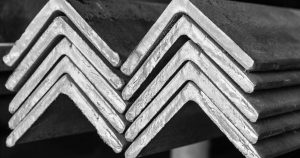
MS angles are L-shaped structural steel sections. They contain low carbon and offer strength, flexibility, and easy fabrication. Industries use them for frames, supports, shelves, and machinery structures. Their equal and unequal sizes allow many design choices and load capacities. MS angles remain a core material for builders and fabricators across India.
A structural survey estimated that MS angles contribute to over 22 percent of India’s structural steel usage.
Source: Indian Structural Steel Analysis Report, 2024.
Applications Across Industrial and Construction Sectors
Construction and Infrastructure
Construction teams use MS angles in column frames, roofing structures, boundary supports, and flooring reinforcements. Their uniform thickness improves stability. They handle heavy loads smoothly when installed correctly.
Industrial Fabrication
Fabricators choose MS angles for machine cages, conveyor frames, partitions, and table structures. Their weldability helps create strong, rigid frames. MS angles also support repair and modification tasks.
Plumbing and Utility Work
Plumbers use MS angles for mounting pipelines, securing motor pumps, and stabilizing water tanks. They help maintain proper alignment across long distances.
Wholesale Trade and Hardware Stores
Traders stock MS angles in high volume due to steady demand from project contractors and fabrication units.
Comparison: MS Angles vs Other Structural Materials
MS Angles vs SS Angles
MS angles cost less than SS angles. SS angles resist corrosion better. SS angles suit chemical plants. MS angles suit standard structures.
MS Angles vs GI Angles
GI angles use zinc coating to resist moisture. MS angles offer lower prices. GI angles work better outdoors. MS angles work better indoors or under coated protection.
Weight and Strength Differences
- MS angles weigh more due to solid thickness.
- SS angles last longer in harsh conditions.
- GI angles resist moisture better.
Understanding these points helps buyers choose correct materials for each project.
Price Overview of MS Angles
MS angle prices depend on size, thickness, shape, and market movement. Average MS angle rates in North India stay between ₹55 and ₹68 per kg, based on wholesale data.
Source: Delhi Steel Market Pricing Report, 2024.
Equal angles cost differently from unequal angles. Heavy thickness increases price. Branded mills cost more than local manufacturers.
Factors Affecting MS Angle Prices
Raw Material Cost
Iron ore, coal, and billet prices directly affect MS angle prices. Carbon steel markets recorded 9 to 13 percent fluctuation last year.
Source: Indian Steel Price Bulletin.
Manufacturing Method
Rolled angles cost less. High-precision rolled angles cost more. Seamless structural options require advanced machinery.
Size and Thickness
Bigger sizes and thicker gauges increase cost. Unequal angles cost slightly more due to demand patterns.
Transportation and Distance
Steel transportation adds cost for long deliveries. Heavy angle bundles increase freight expenses.
Seasonal Demand
Construction seasons raise prices. Manufacturing seasons also influence availability.
How Udhhyog Helps B2B Buyers
Udhhyog and its pipe products help contractors, traders, and fabricators by offering wide ranges of steel materials, including MS angles, in various sizes at affordable rates in one place. This simplifies sourcing for bulk buyers and reduces material-hunting time across multiple vendors.
Conclusion
MS angles remain essential in construction, fabrication, and industrial support structures. Their strength, pricing, and availability make them a practical choice for many projects. Understanding applications, comparisons, and pricing helps buyers decide faster and avoid delays. Ready to explore the best MS angle sizes for your upcoming project?