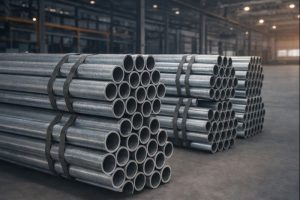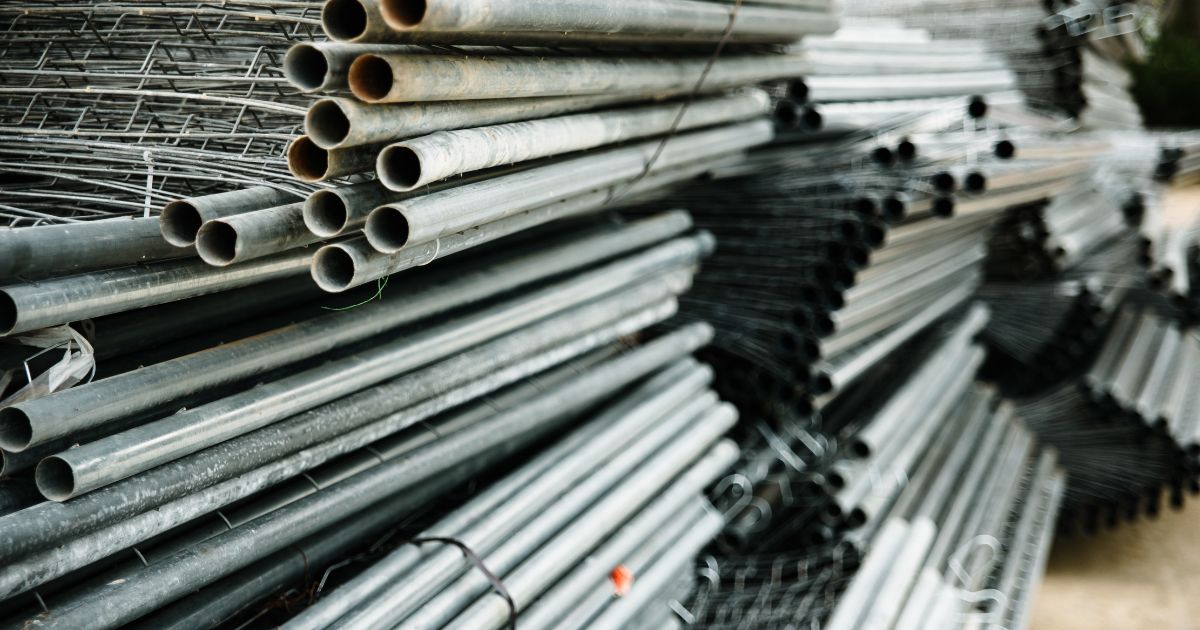
Galvanised Iron (GI) pipes have become one of the most reliable materials for plumbing, construction, fabrication, and agricultural infrastructure across India. Their long life, corrosion resistance, and affordability make them a preferred choice for both small and large-scale projects. Yet, many buyers still struggle to understand the exact specifications, pricing, grades, and applications — leading to confusion when comparing options in the market.
This guide breaks everything down clearly: what GI pipes are made of, how they’re manufactured, their price list, size chart, classifications, and the industries where they work best. If you’re a contractor, builder, engineer, or hardware supplier, this article will help you make an informed buying decision.
What is a GI Pipe?
There is a coat of zinc layer on GI pipe is a mild steel (MS) pipe through a galvanization process.
The coating acts as a shield between the steel and environmental factors like moisture, oxygen, and chemicals — preventing rust and increasing the pipe’s lifespan.
Why Zinc?
Zinc is electrochemically active, meaning it corrodes first to protect steel, even if the pipe gets scratched or exposed. This sacrificial protection is the key reason GI pipes last 20–50+ years depending on usage conditions.
Material Details & Manufacturing Process
GI pipes are made using high-quality low-carbon MS steel that undergoes a multistep galvanizing process:
1. Coil Selection & Cutting
Steel coils are selected based on IS standards and cut into tube shapes.
2. Welding
Edges are welded to form a continuous pipe.
3. Cleaning & Acid Treatment
Pipes are dipped in an acid bath to remove rust, dirt, and mill scale.
4. Galvanizing Process
Two main techniques are used:
- Hot-Dip Galvanizing (most common):
Pipes are dipped in molten zinc at ~450°C, forming a durable protective layer. - Electro-Galvanizing:
Zinc is applied using electric current, creating a more uniform coating.
5. Cooling, Finishing & Testing
Excess zinc is removed, pipes are cooled, threaded (if required), pressure-tested, and quality-checked.
This process ensures the pipes meet IS:1239 standards for strength, thickness, and zinc uniformity.
GI Pipe Classifications (A, B, C)
GI pipes categorization based on wall thickness:
| Class | Thickness | Colour Mark | Best For |
| A – Light Gauge | Thin | Yellow | Domestic plumbing, low pressure |
| B – Medium Gauge | Medium | Blue | Water supply, irrigation |
| C – Heavy Gauge | Thick | Red | Scaffolding, industrial lines |
The thickness greatly affects price, weight, and performance, so choosing the right category is essential.
GI Pipe Size Chart (Common NB Sizes)
| Nominal Bore (NB) | Outer Diameter (OD) | Medium Class Thickness | Approx. Weight (kg/m) |
| ½ inch | 21.3 mm | 2.65 mm | 1.28 kg |
| ¾ inch | 26.9 mm | 2.65 mm | 1.62 kg |
| 1 inch | 33.7 mm | 3.25 mm | 2.43 kg |
| 1¼ inch | 42.4 mm | 3.25 mm | 3.18 kg |
| 1½ inch | 48.3 mm | 3.25 mm | 3.67 kg |
| 2 inch | 60.3 mm | 3.65 mm | 5.44 kg |
GI Pipe Price List in India (2025 Updated)
Prices depend on brand, class, thickness, coating, and quantity.
| Size / Type | Price Range (per meter) |
| ½ inch GI pipe | ₹90 – ₹120 |
| 40mm GI pipe | ₹140 – ₹160 |
| 50mm GI pipe | ₹160 – ₹200 |
| Medium Threaded 1½ inch | ₹95 – ₹125 |
| GI Square Pipe | ₹180 – ₹240 |
| Branded Tata 40mm | ₹210 – ₹270 |
| Branded Tata 50mm | ₹240 – ₹280 |
Note: Prices vary region-wise depending on transportation cost, stock availability, and state tax policies.
Price Influence Factors:
- Brand (Tata, Jindal, local mills)
- Zinc coating thickness
- Pipe class (A/B/C)
- Order volume (bulk discounts)
- Market steel rate fluctuations
Best Uses of GI Pipes by Industry
1. Plumbing & Water Supply
- Underground water lines
- Municipal distribution
- Building water systems
2. Construction & Infrastructure
- Scaffolding
- Handrails and support columns
- Structural frameworks
3. Agriculture
- Irrigation systems
- Borewell casings
- Greenhouse frames
4. Industrial Applications
- Exhaust systems
- Firefighting lines
- Air and gas transportation
5. Fabrication & Engineering
- Racks and frames
- Furniture structures
- Machinery base frames
GI Pipe vs MS Pipe – Quick Comparison
| Feature | GI Pipe | MS Pipe |
| Coating | Zinc | None |
| Corrosion Resistance | Very high | Low |
| Life Expectancy | 20–50 years | 8–15 years |
| Cost | Higher | Lower |
| Best Use | Water lines, outdoor use | Fabrication, indoor use |
Whether you’re a contractor, industrial fabricator, infrastructure company, or hardware dealer, Udhhyog provides all GI pipe types — round, square, medium, heavy — in one place with reliable quality checks, competitive bulk pricing, and pan-India delivery.
This makes sourcing faster, cheaper, and more predictable for industrial buyers who need consistent supply. For related materials, feel free to explore our Angle category too.
Conclusion
GI pipes continue to be one of the strongest and most cost-efficient materials across plumbing, construction, agriculture, and fabrication sectors. With multiple classifications, sizes, and price ranges, choosing the right pipe is essential for long-term strength and safety. Always check coating thickness, class, and application requirements before ordering.Looking to purchase GI pipes at the best bulk price?
Want support choosing the right class for your project?
Request a quote today — what size do you need?