A contractor once shared how a delayed shipment of pipes paused an entire infrastructure project. His urgency highlighted how selecting reliable GI pipe ensures stable timelines. Many B2B buyers experience similar pressure, making informed decisions more important than ever.
Understanding GI Pipe in Today’s Industrial Landscape
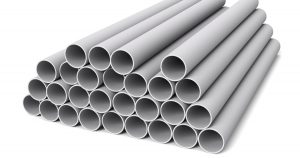
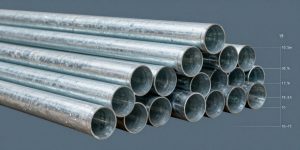
Galvanized Iron (GI) pipes remain essential across industrial, construction, and infrastructure sectors due to their durability and consistent performance. Recent market research by Mordor Intelligence states India consumes over 7 million metric tons of galvanized steel products annually, demonstrating their widespread application in national projects.
Many readers explored our previous blog on GI Pipes, sparking deeper interest in technical details, pricing behaviour, and application-focused considerations. This continuation provides practical information tailored specifically to construction contractors, fabricators, hardware dealers, and plumbing infrastructure companies.
Applications of GI Pipes Across Industries
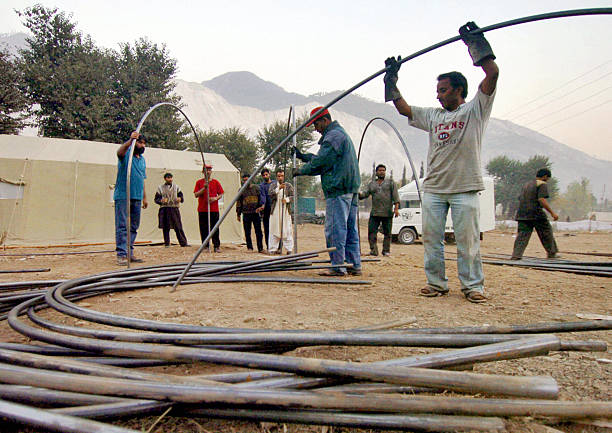
GI pipes support several operations requiring consistent structural stability and corrosion resistance. Their common applications include water supply networks, structural fabrication, fencing systems, scaffolding work, fire-fighting pipelines, and industrial fluid transportation. Contractors prefer GI pipes because they maintain reliability under unpredictable on-site conditions.
Municipal development projects reported that over 40% of water distribution pipelines in major Indian cities still rely on galvanized iron, according to NITI Aayog research. This demonstrates the material’s continued relevance despite the rise of plastic-based alternatives.
GI Pipe Size Requirements and Quantity Planning
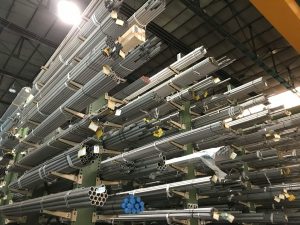
Determining exact quantity plays a crucial role in preventing delays and excess expenditure. Most infrastructure projects use GI pipes ranging between 15mm to 150mm, with fabricators often ordering in bulk depending on load-bearing needs. Construction contractors usually maintain buffer stocks equal to 10% of planned consumption to avoid interruptions during reinforcement or installation phases.
Hardware traders prefer stocking multiple diameters because B2B buyers usually request mixed bundles combining medium and heavy-grade GI pipes.
Current Market Trends Shaping GI Pipe Demand
The Indian steel pipe industry is experiencing noticeable shifts. A report by CRISIL mentions the GI pipe segment is growing at 8% CAGR, driven by rising rural pipeline projects. Additionally, urban smart-city initiatives continue to increase demand for heavy-grade GI material used in drainage and utility networks.
Industries are also shifting toward pre-galvanized and precision-engineered pipes because they reduce wastage and improve finishing quality for fabrication tasks.
Comparison: GI Pipes vs Other Piping Materials
GI pipes generally outperform PVC and CPVC in structural applications demanding strength and heat resistance. Stainless steel pipes provide higher corrosion protection but remain costlier, making them unsuitable for many large-scale projects. Contractors evaluate material choice based on load, longevity, budget, and project timeline.
Price Overview and Factors Affecting GI Pipe Rates
The price of GI pipes fluctuates due to raw material costs, zinc coating thickness, transportation charges, and order quantity. Market data from SteelMint highlights that zinc prices increased almost 12% year-on-year, pushing GI pipe prices upward during peak seasons.
Bulk orders often reduce cost per unit because manufacturers distribute logistic and production expenses evenly across larger batches. The thickness of the zinc coating heavily influences the final price, especially for heavy-duty industrial pipelines.
GI Pipe Price Table (Sample Market Overview)
| Size (mm) | Grade | Approx Price/Meter (INR) |
| 15mm | Medium | 90–110 |
| 25mm | Medium | 140–165 |
| 50mm | Heavy | 260–300 |
| 100mm | Heavy | 480–550 |
(Prices vary based on zinc cost, transportation, brand, and regional supply availability.)
How Udhhyog Supports B2B Buyers
Udhhyog supplies multiple types and sizes of GI pipes at affordable rates in one place, helping construction contractors, hardware traders, fabricators, and infrastructure companies streamline procurement. B2B buyers appreciate consolidated sourcing because it reduces negotiation time and improves delivery timelines across ongoing projects.
Conclusion
GI pipes continue dominating industrial applications due to their consistency, reliability, and market accessibility. Prices shift regularly, driven by zinc rates and regional demand cycles. B2B buyers benefit by tracking trends, comparing material grades, reviewing our earlier GI pipe blog, and planning procurement strategically.
Are you ready to source the right GI pipes for your next project and explore the complete range now?